Wood Textures Backgrounds: Authentic Digital Surfaces
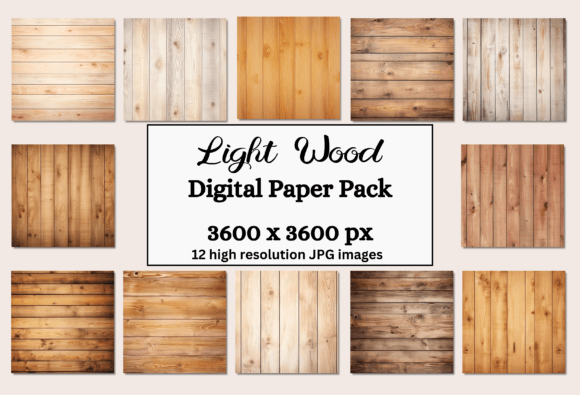
When a design needs to feel grounded, natural, or timeless, nothing quite compares to the character of real wood. Wood Textures Backgrounds offer a direct solution for adding that organic, tactile quality to digital projects. This collection provides high-resolution, print-ready files that capture the grain, knots, and subtle color variations found in authentic timber surfaces. It's more than just a pattern; it's a foundational design asset that can set the entire tone for your work, whether you're building a brand identity or crafting a personal invitation.
The Visual Character and Practical Appeal
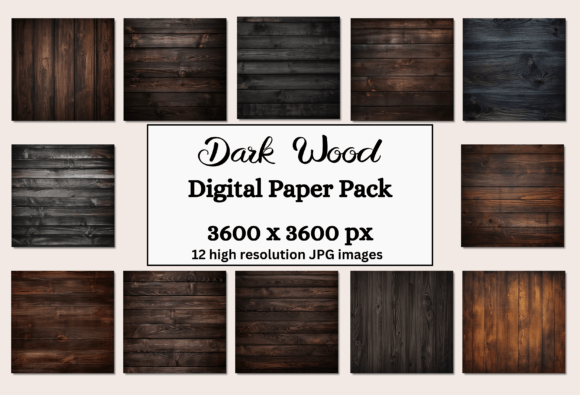
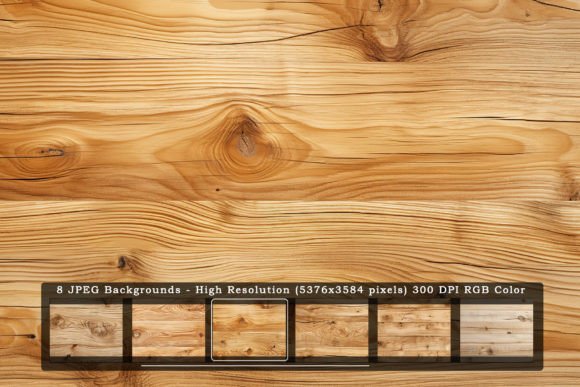
Each texture in this set tells its own story through unique grain patterns, weathering marks, and a natural color palette that ranges from warm honey tones to cool, weathered grays. The visual personality is versatile—simultaneously rustic and refined. This duality makes it exceptionally useful. A light, clean wood grain can support a modern, minimalist aesthetic, while a darker, more textured plank can evoke heritage, craftsmanship, or coziness. The high resolution of 5376×3584 pixels ensures that these details remain crisp and clear, whether you're using the texture as a full-page background for a website or scaling it down for a small logo element. The included RGB and 300 DPI files are prepared for both digital screens and professional print, removing a common production hurdle for creators.
Strategic Applications Across Projects
Understanding where and how to deploy these textures is key to leveraging their full potential. Their application is broad, but the most impactful uses align the texture's inherent mood with the project's message.
For Brand and Marketing Materials
In branding, consistency and recognition are paramount. A wood texture can become a core part of a brand's visual identity, especially for businesses in artisanal food, handcrafted goods, outdoor recreation, or cozy cafes. Using the same wood background across a logo design, business cards, and social media graphics creates immediate cohesion. For packaging design, a textured background can convey quality and authenticity before the product is even touched. In web design, a subtle wood grain can warm up a landing page or serve as an engaging background for product photography, enhancing perceived value without distracting from the call to action.
For Digital and Editorial Content
Content creators and publishers constantly seek ways to make their work stand out. Wood Textures Backgrounds provide an excellent foundation for editorial design in magazines, blogs, and e-books, offering a more engaging alternative to flat white or solid color backgrounds. For social media graphics, a textured surface can make text overlays pop and give quotes or announcements a more crafted, intentional feel. In presentation software like PowerPoint, a subtle wood background can transform a generic slide deck into a more professional and visually interesting experience, aiding audience engagement.
For Personal and Creative Projects
The value extends well beyond commercial use. For crafters, hobbyists, and designers working on personal projects, these textures are a creative playground. They are ideal for digital scrapbooking, creating unique invitations, designing custom stationery, or producing art prints. The ability to layer text, illustrations, and other design assets over a realistic wood surface opens up countless possibilities for mixed-media digital art. The instant download and common file formats mean you can start experimenting immediately in any graphics editing software.
Making the Texture Work for You
Simply placing a wood texture behind your content isn't enough. Effective use requires thoughtful execution. Here’s how to ensure it enhances rather than overwhelms your design.
- Establish Visual Hierarchy: Use the texture to create depth. Place key text or a logo on a slightly lighter or darker area of the wood, or use a semi-transparent overlay to ensure legibility. The texture should support your message, not compete with it.
- Test Readability and Pairings: Always test your text on the chosen texture at the intended size. For body text, a clean sans serif font often pairs well with the organic lines of wood. For headlines, a bold serif font or a tasteful script font can complement the natural feel. Ensure there is sufficient contrast.
- Evaluate Project Fit: Consider the personality of your project. Is it aiming for modern rustic, vintage, or industrial? Select the wood texture that best matches that specific style. A sleek, grey-toned wood suits a contemporary tech brand, while a knotted pine fits a family bakery.
- Leverage the Resolution: Don't be afraid to crop into the texture to create a unique, zoomed-in pattern for smaller applications like icons or borders. The high resolution allows for this without loss of quality, giving you more versatility from a single asset.
Ultimately, Wood Textures Backgrounds are a versatile tool in any creative's toolkit. They provide a quick, effective way to inject warmth, authenticity, and professional polish into a wide array of projects. By understanding their character and applying them with intention, you can significantly elevate the visual impact and emotional resonance of your designs, whether for a client's brand or your own creative expression.