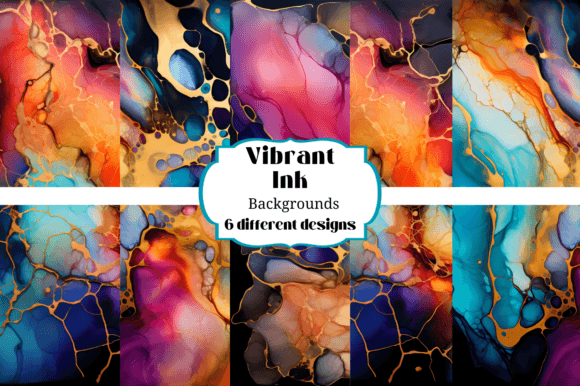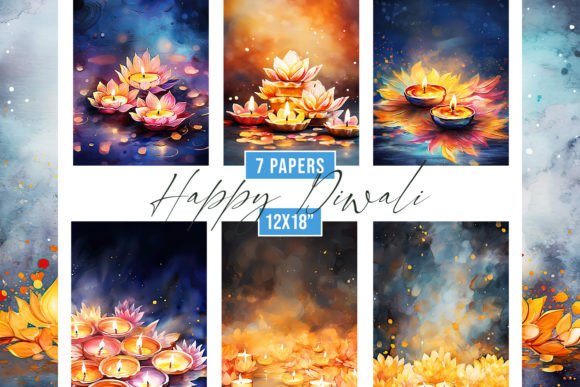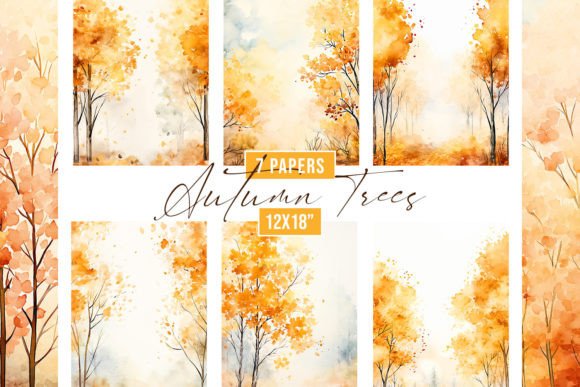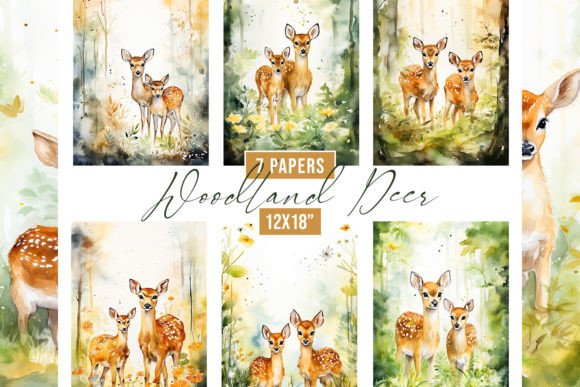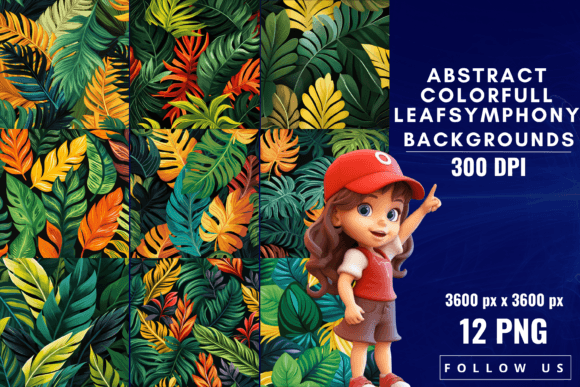
Vibrant Colorful Leaf Backgrounds for Creative Projects
There is a specific kind of energy that comes from nature at its peak. It’s that moment in autumn when the sunlight hits a canopy of trees, or the chaotic beauty of a tropical jungle floor. If you are trying to capture that dynamic, organic vitality in your digital or print work, generic textures often fall flat. They lack depth, vibrancy, and the intricate detail that makes a design feel premium. This is where high-quality Colorful Leaf Backgrounds become an essential tool in your design assets library. They are not just static images; they are a bridge between the serenity of the natural world and the bold demands of modern typography.
Unlike a standard serif font or sans serif font, which provides structure and readability for body text, these backgrounds function as a visual voice. They offer a "personality" that is energetic, artistic, and deeply rooted in the organic world. When you utilize these backgrounds, you are leveraging a visual style that speaks to growth, change, and vibrant life. For a designer or brand strategist, this is a powerful psychological lever. It transforms a flat layout into an immersive environment, allowing text—even a simple script font or handwritten font overlay—to pop with incredible contrast and clarity.
The Anatomy of Visual Appeal: What Makes These Backgrounds Work
When we talk about the "visual characteristics" of Colorful Leaf Backgrounds, we are looking at more than just a palette of reds, oranges, and greens. The appeal lies in the texture and composition. High-resolution foliage captures the intricate veining of a leaf, the translucency of sunlight passing through a petal, and the complex layering of nature. This creates a rich aesthetic depth that is difficult to replicate with digital vector art.
For professionals, the practical value lies in the resolution. A premium font deserves a premium canvas. If you are working on editorial design or packaging design, pixelation is the enemy. These high-fidelity backgrounds ensure that whether you are zoomed in for a detail shot or viewing a full-page spread, the image remains crisp. This clarity allows for better visual hierarchy. You can place a bold display font over a dense leaf pattern, and if the background has enough depth and the resolution is high enough, the text will sit naturally within the scene rather than floating awkwardly on top of it.
The "personality" of these backgrounds is adaptable. A background featuring soft, pastel ferns evokes a sense of calm and wellness—ideal for yoga studios or organic skincare brands. Conversely, a background featuring sharp, high-contrast neon leaves creates a sense of modernity and excitement, perfect for festival posters or social media graphics targeting a younger demographic. This versatility makes them a creative font equivalent in the world of imagery; they can be styled up or down to fit the specific mood of your project.
Strategic Applications: From Brand Identity to Web Design
Understanding where to deploy Colorful Leaf Backgrounds is just as important as choosing the right image. These assets are incredibly effective across a wide range of mediums, helping to unify a brand’s visual language.
In brand identity, consistency is key. If your brand values sustainability, growth, or vitality, a recurring leaf motif can tie your materials together. Imagine a business card where the background is a subtle, desaturated leaf texture, paired with a clean sans serif font. It immediately communicates professionalism while hinting at the brand's organic roots. Similarly, in logo design, while the background won't be part of the final logo mark, using it in presentation mockups can help sell the concept to clients by contextualizing the brand in nature.
For web design and digital marketing, these backgrounds are invaluable for breaking up the monotony of solid color blocks. They work exceptionally well as "hero" sections on a homepage. A full-width, high-quality leaf background can set the emotional tone instantly. However, a practical tip for web design: ensure you optimize the file size without sacrificing too much quality, as heavy images can slow down load times. Alternatively, use them for specific landing pages, such as a "Thank You" page or a seasonal sale announcement, where you want to inject immediate visual impact.
Marketers and content creators will find these backgrounds essential for social media graphics. Platforms like Instagram and Pinterest are highly visual. A text post overlaying a dull grey background is easily scrolled past. However, a motivational quote or a product announcement placed over a vibrant, colorful leaf background stops the thumb. It provides the necessary contrast to make text readable while adding a layer of aesthetic value that encourages likes and shares.
Practical Guidance: Choosing and Implementing Your Assets
Selecting the right background requires a designer's eye for detail. It’s not just about picking the prettiest picture; it’s about evaluating project fit and technical specifications.
First, consider the font pairing. If your background is busy and full of intricate patterns, you need a typeface that can hold its own. A thin, delicate script might get lost in the leaves. Instead, opt for a bold display font with strong line weights. Conversely, if you are using a background with a lot of negative space or soft focus, a more elegant serif or handwritten font can add a touch of sophistication. Always test your text over the image before finalizing. Look for readability issues where the color of the text merges with a similar color in the leaves.
Next, evaluate the composition for your specific layout. If you are designing a vertical poster or a mobile screen, look for backgrounds that have a strong vertical flow or central focus. For wide formats like banners or editorial design spreads, look for panoramic textures that tile well or have a consistent density across the width.
Finally, don't overlook the technical side. Always check the commercial licensing of your design assets. If you are creating packaging design for a product that will be sold in stores, or using the image in a paid ad campaign, you must ensure the license covers commercial use. Additionally, look for assets that come with varied styles—perhaps different seasons or lighting conditions. This allows you to maintain a consistent visual theme throughout the year, swapping out a bright summer green for a deep autumn orange as the seasons change, all while keeping the core aesthetic of your brand identity intact.
Conclusion: Elevating Your Visual Narrative
In a digital landscape crowded with sterile, flat designs, Colorful Leaf Backgrounds offer a return to texture, depth, and life. They are more than just decoration; they are a storytelling tool. By carefully selecting high-resolution imagery, pairing it with appropriate typography, and applying it strategically across your web design, print media, and social channels, you can significantly enhance audience engagement. Whether you are a seasoned designer or a small business owner looking to elevate your visual presence, embracing the vibrant complexity of nature is a surefire way to make your work stand out.