Dark Wood Texture Backgrounds: Designing with Natural Depth
There is a distinct weight to materials that have history. When you look at a piece of reclaimed timber, you aren't just seeing a color; you are seeing a timeline of grain patterns, knots, and wear. In digital design, we often struggle to replicate that tactile depth, resulting in flat, lifeless compositions. This is where the right foundational asset changes everything. The Dark Wood Texture Backgrounds collection offers a solution that goes beyond simple imagery, providing a rich, atmospheric canvas that anchors your digital projects with the gravity of natural materials.
The Personality of the Grain: Visual Characteristics and Style
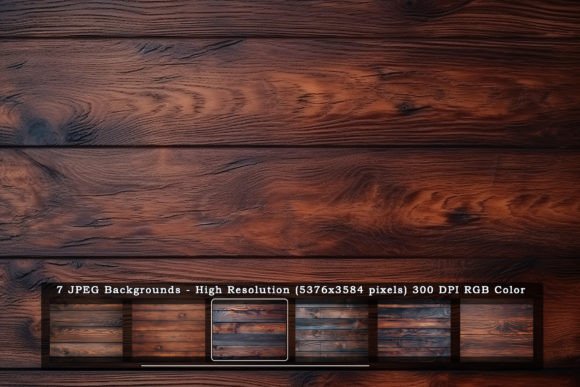
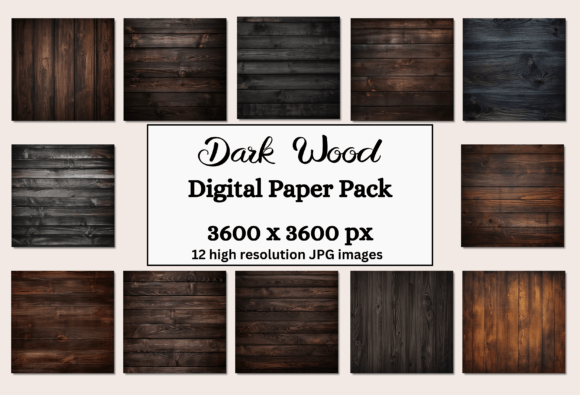
What separates a standard stock photo from a high-end design asset is the level of detail and the quality of the artwork. This collection of digital papers focuses on the subtle interplay of shadow and light found in deep timber. You will notice the intricate textures are preserved with high fidelity, ensuring that when you zoom in, the visual remains crisp rather than pixelated.
The "Dark" in the title is significant. These are not light, airy pine textures; they evoke a sense of sophistication, warmth, and stability. The visual personality is grounded and professional. Whether it is a deep mahogany finish or a weathered, rustic oak, these backgrounds provide a tactile feel that digital screens usually lack. This premium quality is essential for modern typography. If you are overlaying a delicate script font or a bold display font, the texture needs to support the text without overwhelming it. The richness of the wood grain creates a natural contrast that makes white or cream-colored typography pop with startling clarity.
Strategic Applications: From Branding to Junk Journals
Understanding where to deploy Dark Wood Texture Backgrounds is key to maximizing their value. The versatility of these assets makes them a staple for a wide range of creative professionals.
Brand Identity and Packaging:
For entrepreneurs building a brand identity, texture communicates values. A dark wood background suggests heritage, durability, and craftsmanship. It is an excellent choice for businesses in the artisanal food, craft brewing, or bespoke furniture sectors. Using this texture in packaging design can instantly elevate a product from generic to premium. It tells the customer that the brand cares about quality materials, even before they touch the product.
Digital Marketing and Social Media:
In the fast-paced world of social media graphics, stopping the scroll is the primary objective. A flat white background often blends into the noise. However, a textured wood surface adds depth that catches the eye. It is particularly effective for quote graphics, product mockups, and promotional announcements. For content creators and influencers, these textures serve as a neutral but interesting stage for their photography, adding a layer of "lifestyle" appeal to their feed.
Editorial and Web Design:
In editorial design, texture can define the mood of a publication. These papers work beautifully for magazine headers, chapter dividers, or the background of a book cover. In web design, while full-page textured backgrounds can sometimes slow down a site, using them as hero section banners or sidebar accents can add significant character. They break the monotony of flat modern typography and grid-based layouts, offering a visual break that feels organic.
Crafting and Personal Projects:
Beyond commercial use, the utility of these files shines in the crafting community. For those involved in junk journaling or scrapbooking, these digital papers are indispensable. They simulate the look of vintage wooden boards or old library desks, providing a perfect backdrop for layering ephemera, photos, and handwritten notes. Because they are delivered in high-resolution 3600x3600 JPGs, they can be printed at large scales for physical art prints or home decor projects without losing quality.
Visual Hierarchy and Readability
One of the most common mistakes in using textured backgrounds is compromising legibility. A background should support the content, not fight it. The Dark Wood Texture Backgrounds are designed with this principle in mind. The textures are detailed but generally uniform in tone, allowing for a clear visual hierarchy.
When you place a sans serif font over a dark wood grain, the high contrast creates a modern, clean aesthetic. Conversely, pairing a serif font with the wood texture can evoke a classic, academic feel reminiscent of a professor's study. The key is to use light-colored text to ensure readability against the darker hues of the wood. This contrast is not just about seeing the letters; it is about guiding the viewer's eye. The texture adds "noise" that naturally pushes the viewer to focus on the clean, sharp text laid over it.
Practical Guidance for Implementation
To get the most out of this collection, consider the following practical steps:
- Evaluating Project Fit: Before selecting a specific wood grain, consider the emotion you want to convey. A lighter, more grained wood might suit a rustic, country aesthetic, while a smoother, darker wood fits a corporate or luxurious vibe. Ask yourself if the texture aligns with your brand identity.
- Testing Font Pairings: Do not settle for the first typeface you try. Experiment with font pairing. Try combining a heavy, bold header font with a light, thin body font. The wood texture acts as the unifying third element. If you are using a handwritten font for a personal touch, ensure the x-height is large enough so the loops and curves don't get lost in the grain.
- Color Adjustments: While the files are high quality, you may need to adjust the warmth or saturation to match your specific color palette. A slight desaturation can make the wood more neutral, allowing your brand colors to take center stage.
- Layering Techniques: Don't just drop text onto the image. Use overlays. A slight dark gradient at the bottom of the image can help white text stand out. Alternatively, use the wood texture as a "clipping mask" for text to give the letters themselves a wooden appearance—a popular effect for logos and titles.
Value and Versatility
Investing in high-quality design assets like this collection is a strategic move for any creative professional. It saves time that would otherwise be spent sourcing low-quality free alternatives that often come with licensing restrictions. These files are optimized for print and digital use, meaning the same asset can be used for a website banner today and a printed business card tomorrow.
For those looking to gift these assets, they offer a thoughtful solution for the creative in your life—providing them with a tool that expands their creative toolkit immediately. Ultimately, the Dark Wood Texture Backgrounds are more than just pictures of wood; they are versatile, premium