The Warmth of Wood: Using Texture Backgrounds in Design
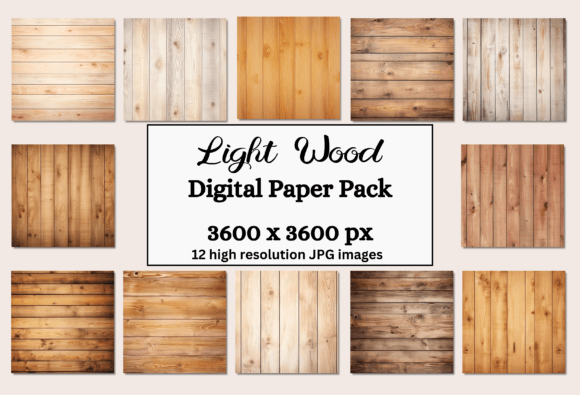
There's a certain quiet confidence in the grain of natural wood. It speaks of craftsmanship, warmth, and a connection to something organic. In the digital realm, where so much can feel sterile and flat, introducing that tactile quality can be a game-changer. This is where a well-crafted digital asset like the Light Wood- Texture Backgrounds- Papers collection comes into play. It's not just a pattern; it's a foundational element that can infuse your projects with immediate personality and depth.
Visual Character and Instant Appeal
What defines the look of these light wood textures? Imagine the subtle, sun-bleached grain of birch or ash. The patterns are delicate, featuring soft variations in tone from creamy whites to pale, honeyed hues. The texture is pronounced enough to add visual interest and a sense of material reality, yet refined enough to avoid overwhelming your content. This balance is key. It provides a backdrop that feels both authentic and versatile, capable of supporting a wide range of design styles from rustic charm to clean, Scandinavian-inspired minimalism.
The personality it conveys is approachable, honest, and slightly nostalgic. It can make a digital interface feel more human, a printed invitation feel more thoughtful, and a social media graphic feel more grounded. For anyone working in editorial design or creating a brand identity for a artisanal product, a wellness brand, or a cozy cafe, this texture becomes a silent partner, communicating values of quality and natural beauty without a single word.
Where This Texture Truly Shines: Practical Applications
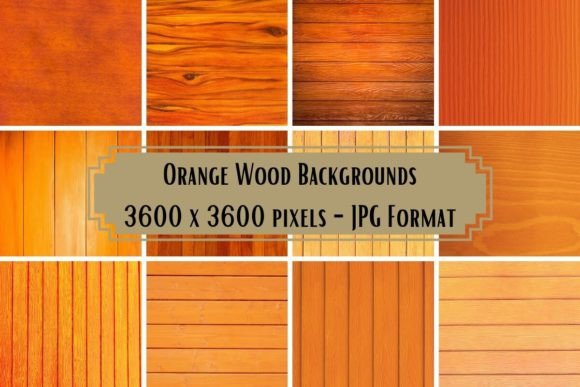
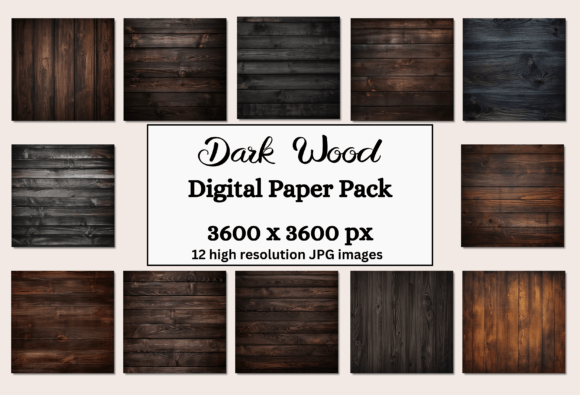
The true value of a versatile design asset is measured by its range. This collection of digital papers is engineered for that flexibility, thanks to its high-resolution 3600x3600 pixel JPG format. Let's break down where it excels.
- Digital Publishing & Web Design: Use it as a website background to break the monotony of a solid color. It works beautifully behind a portfolio, for a blog header, or as a subtle section divider. The texture adds depth without sacrificing the readability of your body text, provided you maintain sufficient contrast.
- Brand Collateral & Marketing: For small business owners and entrepreneurs, consistency is king. A light wood texture can become a recognizable part of your brand identity, used across business cards, letterheads, and packaging inserts. It adds a professional, tactile feel to digital and print materials alike.
- Social Media Graphics: In the fast-scrolling world of Instagram or Pinterest, a textured background stops the eye. It makes text overlays pop and gives product photos or quotes a curated, gallery-like presentation. It’s perfect for creating a cohesive feed aesthetic for lifestyle, home decor, or craft-focused accounts.
- Creative Projects & Crafts: For the hobbyist and crafter, this is a core resource. It serves as an ideal base for junk journals, scrapbook layouts, and DIY stationery. The texture mimics real paper and wood, making digital creations feel handcrafted when printed.
Integrating Texture: From Selection to Execution
Choosing the right background is a strategic decision. Start by evaluating the mood of your project. Is it warm and inviting, or sleek and modern? The light wood texture leans toward the former, but its simplicity allows it to adapt. Test it with your primary font pairing. A clean sans serif font like Montserrat or a elegant serif font like Playfair Display can create a beautiful contrast against the organic pattern, ensuring your visual hierarchy remains clear and effective.
When applying it, consider layering. Place a semi-transparent white or off-white shape over the texture to create a "safe zone" for body copy, guaranteeing maximum readability. Use the texture at full opacity for hero sections or banner images where it’s the main visual feature. Because the file is high-resolution, you can crop into it, zoom on specific grain details, or use it as a full bleed background in print projects without losing clarity—a hallmark of premium artwork.
Beyond Aesthetics: Building Brand Perception
The textures you choose are part of your brand's visual language. Consistently using a natural, warm element like light wood can influence how your audience perceives you. It builds a subconscious association with authenticity, care, and a down-to-earth quality. This is particularly powerful for content creators and marketers looking to foster trust and engagement. It moves your design from being merely decorative to being communicative, aligning your visual style with your core message.
Remember, these are digital files for you to use and adapt. Explore the collection, test different crops and overlays, and see how the texture interacts with your other design assets. The goal is to use it not as a crutch, but as a considered element that elevates your work, adds a layer of sophistication, and ultimately helps your projects connect on a more human level. It’s a simple addition that can make a profound difference in the final impression your work leaves.