Styling with White Wood Backgrounds: A Designer’s Guide
The Natural Appeal of White Wood Textures
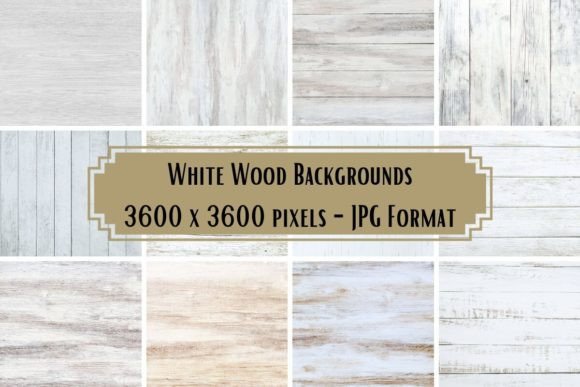
When it comes to establishing a specific mood or aesthetic in digital and print design, the foundation matters just as much as the typography or imagery layered on top. White Wood Backgrounds offer a distinct solution for creators looking to inject warmth, texture, and a sense of organic authenticity into their projects. Unlike flat, solid colors that can sometimes feel sterile or cold, these backgrounds mimic the natural grain and subtle imperfections found in timber. This specific set of 12 digital papers captures the essence of a clean, rustic yet modern look, providing a versatile canvas that feels inviting without overwhelming the content placed upon it.
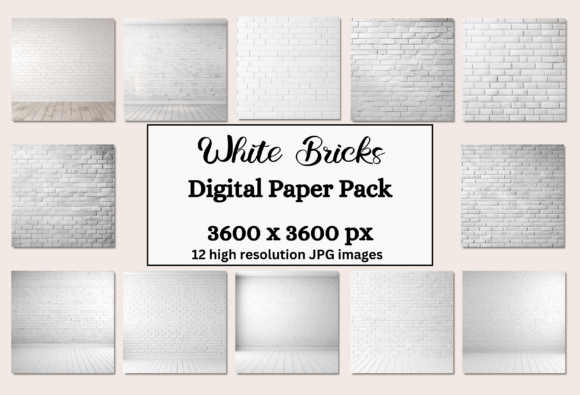
The visual characteristics of these backgrounds are defined by their high-resolution detail. At 3600x3600 pixels and 300 DPI, the grain is sharp and tactile, allowing you to zoom in without losing quality. The "white" aspect is crucial here; it ensures that the texture remains subtle. It isn't a dark, heavy mahogany or a busy oak that demands attention. Instead, it acts as a supporting character in your layout. This makes it an ideal pairing for a wide variety of design assets, particularly when you are working with complex typefaces or dense blocks of text. Whether you are using a bold display font for a header or a delicate script font for an invitation, the wood grain provides enough contrast to make the typography pop while maintaining a cohesive, soft atmosphere.
Practical Applications for Modern Creators
The utility of White Wood Backgrounds extends far beyond simple aesthetic preference. For professionals ranging from web design specialists to small business owners, this texture serves a functional purpose in visual communication. In the realm of brand identity, consistency is key. If a brand leans into a natural, artisanal, or farmhouse aesthetic, these backgrounds are indispensable. They allow for the creation of a unified look across various touchpoints. Imagine a bakery’s menu, their social media posts, and their website hero image all sharing this specific texture. It builds instant recognition and communicates a brand personality that is authentic and grounded.
For those involved in editorial design and publishing, the texture offers a break from the stark white of standard printer paper. When designing a workbook, an e-book cover, or a scrapbooking page, the wood texture adds depth. It turns a flat page into a tactile experience. Similarly, in packaging design, using a white wood pattern can suggest that a product is handmade or eco-friendly. It is a visual shorthand for quality and care. For marketers and content creators, these JPGs are ready-made templates for social media graphics. A quote graphic overlaid on a white wood background often performs better in engagement than a generic flat color because it stops the scroll—it feels more like a photograph than a generated graphic.
Pairing Typography with Texture
One of the most common challenges designers face when using textured backgrounds is maintaining readability. Because White Wood Backgrounds feature a grain pattern, you must be strategic with your font pairing and color choices. The goal is to ensure your message isn't lost in the noise of the texture.
Here are a few practical guidelines for integrating these backgrounds with your typography:
- Contrast is King: While the background is white, the wood grain introduces shadows. Avoid using light grey or pastel sans serif fonts directly on the texture without a safeguard. Instead, use solid black or deep charcoal for body text to ensure maximum legibility.
- Use Containers: If you are designing a website header or a logo design presentation, consider placing a semi-transparent white overlay or a colored shape behind your text. This allows the wood texture to frame the content while giving your typeface a clean surface to rest upon.
- Font Selection: Because wood is an organic, chaotic texture, it pairs exceptionally well with structured, geometric modern typography. A clean serif font or a bold sans serif font creates a pleasing visual tension against the natural curves of the wood grain. Conversely, pairing the texture with a handwritten font can create a cozy, "note-from-a-friend" vibe, perfect for personal stationery.
Evaluating Project Fit and Licensing
Before integrating any design assets into a commercial workflow, it is vital to evaluate the specific product specifications. This set includes 12 distinct variations. While they are all "white wood," the grain patterns, knot placements, and lighting directions will differ. This variety is a significant asset. It allows you to match the specific energy of the background to the content. For a minimalist project, you might choose a background with very straight, subtle grain. For a rustic project, you might select one with more pronounced knots or a distressed look.
Furthermore, the technical specifications—specifically the 12x12 inch size at 300 DPI—make this collection particularly suited for high-quality print output. This is the standard size for digital scrapbooking papers, but it is also ideal for creating physical marketing materials. You can easily crop these backgrounds to fit A5 flyers, business cards, or postcards without resolution loss. However, always double-check the licensing terms for any premium font or graphic you download. For commercial use, ensure that the license covers the number of impressions or end-products you intend to create. Most digital paper packs are royalty-free, but verifying this protects your business from legal headaches down the road.
Integrating Wood Backgrounds into Brand Strategy
For entrepreneurs and designers building a brand identity, the choice of background texture is a strategic decision. White Wood Backgrounds communicate stability, tradition, and warmth. They are particularly effective for industries such as real estate, home decor, wellness, food and beverage, and boutique retail. However, they can also be used effectively in corporate settings to soften a message. For example, a tech company sending out a holiday newsletter might use a wood background to appear more human and approachable during the festive season.
When using these backgrounds for web design, be mindful of load times and tiling. While these files are high-resolution, which is excellent for print, they may need to be optimized (compressed) for web use to ensure the site loads quickly. A seamless tile is usually preferred for web backgrounds to ensure the pattern repeats without visible seams across different screen sizes.
Ultimately, the value of a resource like this lies in its versatility. It is not just a static image; it is a tool for setting a scene. Whether you are a crafter printing out a scrapbook page, a blogger creating a Pinterest pin, or a publisher designing a book cover, the White Wood Background set provides a reliable, high-quality foundation. By understanding the interplay between texture, color, and typography, you can leverage these assets to create designs that are not only beautiful but also strategically effective in engaging your target audience.