The Enduring Appeal of Old Red and White Floral Backgrounds
There’s a certain kind of warmth that comes from a design steeped in history. It’s the visual equivalent of a well-loved story, a familiar comfort that also feels rich with character. This is the core appeal of Old Red and White Floral Backgrounds. These designs aren’t just patterns; they’re narratives woven in ink and color, offering a bridge between the elegance of the past and the clarity of modern digital creation. For designers, marketers, and creators seeking to inject authenticity and timeless style into their work, understanding how to harness this aesthetic is a valuable skill.
Understanding the Visual Character
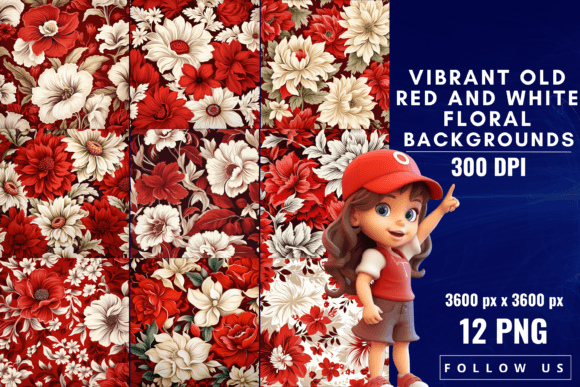
At its heart, the vintage red and white floral style is defined by its intricate detail and bold contrast. Think of the elaborate, hand-drawn botanical motifs found on antique wallpaper or heirloom textiles. The patterns often feature intertwined roses, peonies, and other classic blooms, rendered with a level of line work that suggests skilled craftsmanship. The color palette is deliberately restrained yet powerful: deep, often slightly muted reds against creamy or stark whites. This isn’t the bright red of a stop sign, but a richer, more complex hue that feels lived-in and authentic. The white isn’t clinical; it’s a soft, warm base that allows the intricate details of the florals to breathe.
This combination creates a distinct personality. It’s elegant without being stuffy, romantic without being saccharine, and nostalgic without feeling outdated. The style carries a sense of heritage and quality, making it ideal for projects where you want to convey trustworthiness, artistry, and a connection to tradition.
Where This Aesthetic Truly Shines
The versatility of Old Red and White Floral Backgrounds is one of their greatest strengths. They move seamlessly across different mediums and project types, always adding a layer of depth and intentionality.
In brand identity and logo design, these patterns can be used as a secondary texture or a subtle brand asset. Imagine a boutique bakery using a softened version of the pattern on their packaging or a wedding planner incorporating it into their mood boards and proposal documents. It instantly communicates a focus on detail, beauty, and timeless quality.
For editorial and packaging design, the application is even more direct. A cookbook focusing on traditional recipes could use these backgrounds for chapter dividers or as a base for recipe cards. A artisanal jam or tea company could feature the pattern on labels and boxes, creating a shelf presence that feels premium and crafted. The intricate details also make it a compelling choice for social media graphics, especially for posts promoting special offers, seasonal collections, or storytelling content that benefits from a classic backdrop.
Beyond commercial use, the aesthetic is perfect for personal creative projects. Think of custom wedding stationery, anniversary invitations, or digital scrapbook pages. It provides a cohesive, sophisticated framework that elevates personal memories into something gallery-worthy.
Making It Work: Practical Considerations
Successfully integrating this style into your work requires more than just placing a pattern. It’s about using it with purpose to support your message.
Evaluating Project Fit: The first step is alignment. Does your project’s core message or the brand’s personality resonate with the themes of heritage, elegance, and artistry? A cutting-edge tech startup might find this style at odds with their identity, while a luxury skincare line or a heritage wool brand would find it a natural fit. It’s about authentic alignment, not just aesthetic preference.
Managing Visual Hierarchy: A bold floral background is a strong design element. The key is to let it support your content, not overwhelm it. Use it strategically. It might be perfect for a website’s header or footer, a presentation title slide, or the background of a testimonial graphic. For body text or detailed information, pair it with a clean, neutral area—a solid color block or a very subtle texture—to ensure readability remains paramount.
The Art of Font Pairing: This is where thoughtful font pairing becomes critical. The ornate nature of the background calls for typographic balance. A clean, geometric sans serif font can provide a modern counterpoint, ensuring text remains legible and contemporary. Alternatively, a classic serif font with good contrast can reinforce the traditional feel. Avoid highly decorative script fonts or overly complex handwritten fonts for main body copy, as they can compete with the background’s details. Use them sparingly for accents or headlines where you want maximum stylistic impact.
Testing and Iteration: Always test your design in context. View a website mockup on a actual device. Print a sample of a brochure. Check how the background interacts with your chosen color palette for text and other elements. Does the red in the pattern clash with your brand’s accent color? Does the detail get lost at small sizes? This practical testing phase is non-negotiable for professional results.
Beyond the Pattern: A Design Philosophy
Ultimately, choosing Old Red and White Floral Backgrounds is more than a stylistic choice; it’s a philosophical one. It’s a decision to prioritize depth, narrative, and emotional resonance in your visual communication. In a digital landscape often dominated by flat, minimalist design, this approach offers a refreshing alternative that feels human, crafted, and deeply engaging.
It invites your audience to slow down, to appreciate the details, and to connect with the story you’re telling. Whether you’re a designer building a brand identity, a marketer creating compelling social media graphics, or a crafter designing personalized stationery, this aesthetic provides a powerful toolkit for creating work that is not only seen but felt. It’s a testament to the fact that some styles aren’t trends—they’re enduring classics, ready to be reinterpreted for today’s creative projects.