Watercolor Fall of Leaves Backgrounds: Your Autumn Design Toolkit
There’s a specific, nostalgic quality to autumn light—the way it filters through thinning canopies, casting long, warm shadows on the ground. Capturing that fleeting, golden-hour feeling in a design project can be a challenge. That’s where a well-crafted set of Watercolor Fall of Leaves Backgrounds becomes an invaluable asset. This isn't just a collection of leaf patterns; it's a toolkit designed to inject your work with organic texture, seasonal warmth, and artistic flair.
The Visual Character: More Than Just Leaves
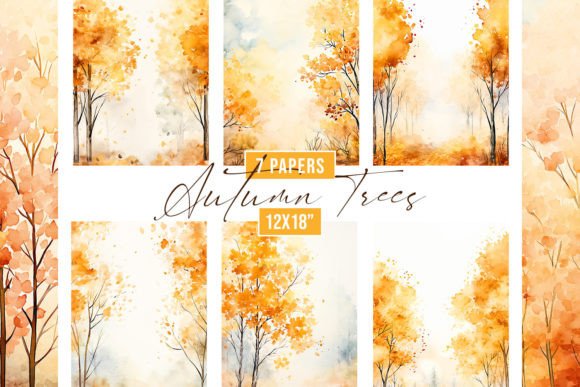
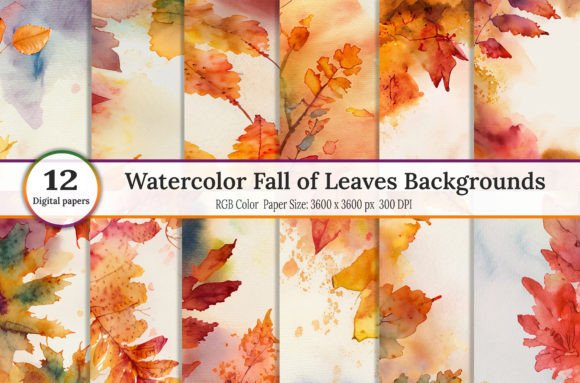
What sets these backgrounds apart is their watercolor aesthetic. Unlike flat, digital prints, watercolor introduces subtle imperfections—soft bleeds, granulation, and translucent layering—that give each piece a hand-painted, artisanal feel. The color palette typically embodies the essence of autumn: rich ochres, burnt siennas, deep burgundies, and muted greens, all blending with the soft, unpredictable nature of water-based pigments. The personality is warm, inviting, and slightly rustic, yet it maintains a clean, professional clarity suitable for modern applications. It strikes a balance between artistic expression and functional design, making it a versatile creative font of sorts for your background library.
Practical Applications: Where These Backgrounds Shine
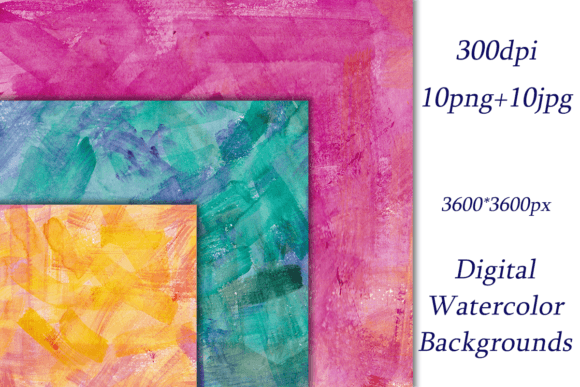
The true value of a design asset lies in its flexibility. This set of 12 high-resolution (3600x3600px, 300dpi) JPEGs is engineered for broad utility. Consider these real-world scenarios:
- Branding & Marketing: For businesses with a seasonal focus—a café, a boutique, a wedding planner—these backgrounds provide a perfect base for social media graphics, email headers, and promotional flyers. They establish a consistent, recognizable autumnal brand identity without appearing generic.
- Publishing & Editorial Design: Authors, bloggers, and magazine designers can use them as full-page backgrounds for chapter openers, pull quotes, or digital magazine layouts. The texture adds depth without overpowering the primary serif font or sans serif font used for body text, enhancing the visual hierarchy.
- Packaging & Product Design: Imagine these watercolor leaves gracing the label of a artisanal jam jar, the sleeve of a coffee blend, or the design of a cell phone cover. They convey quality, craftsmanship, and a connection to nature, directly influencing brand perception.
- Digital & Web Design: Used as a website hero background or a subtle repeating pattern, they can set a seasonal mood for e-commerce sites, event pages, or personal portfolios. They work exceptionally well as a textured backdrop for logo design elements or call-to-action buttons.
- Print & Craft Projects: This is where the set truly excels. The list is extensive: invitations, greeting cards, scrapbooking, paper crafts, nail wraps, magnets, bottle caps, and T-shirts. The high dpi ensures crisp printing, whether for a small jewelry pendant or a large-format poster.
Integrating into Your Workflow: A Practical Guide
Owning a set of backgrounds is one thing; using them effectively is another. Here’s how to leverage this asset like a seasoned designer.
Evaluating Project Fit
Not every project calls for watercolor leaves. They are ideal for themes related to autumn, harvest, gratitude, warmth, nature, and organic products. They might clash with ultra-modern, minimalist tech branding or formal corporate reports. Always ask: does this aesthetic support the message and audience?
Technical Considerations & Layering
The included JPEG files are perfect for quick use. However, for maximum control, you'll want to work with layers in software like Adobe Photoshop or Paint Shop Pro. Here's a key note for Lightroom users: to composite these backgrounds with your photos or other elements, you'll need a plugin that supports layers, such as the Adobe Photoshop plugin or other compatible tools. Basic knowledge of working with layers is essential—placing your subject on a new layer above the background, using masks to blend edges, and adjusting opacity to create depth. This technique allows you to seamlessly integrate the watercolor texture into photo composites or complex designs.
Pairing with Typography
The organic nature of the background demands thoughtful font pairing. A strong, clean sans serif font for headlines can create a striking contrast, ensuring readability. Alternatively, a elegant script font or handwritten font can complement the artistic style for invitations or cards. Avoid overly decorative or similarly textured typefaces that might compete for attention. The goal is to let the background support, not overwhelm, your primary message.
Ensuring Readability and Hierarchy
When placing text over these backgrounds, contrast is your best friend. Use solid color blocks or semi-transparent overlays behind text to guarantee readability. Adjust the brightness or apply a slight Gaussian blur to the background layer in your Photoshop file to reduce visual noise. This maintains a clear visual hierarchy, guiding the viewer's eye from the background texture to the essential information.
Beyond the Basics: Strategic Use for Brand and Audience
For entrepreneurs and content creators, consistent use of a seasonal design asset like this can become part of your brand identity. It signals timeliness and attention to detail, which builds audience recognition and engagement. When used across your website, social media, and printed materials, it creates a cohesive experience that feels curated and professional. This is about more than decoration; it's a strategic tool for visual storytelling that resonates with a broad audience, from crafters to corporate marketers seeking a touch of warmth in their campaigns.
In the end, the power of the Watercolor Fall of Leaves Backgrounds set lies in its blend of artistic beauty and practical design function. It’s a premium resource that, when used with intention, can elevate a project from merely good to genuinely compelling, capturing the timeless, transformative spirit of the season in every pixel.