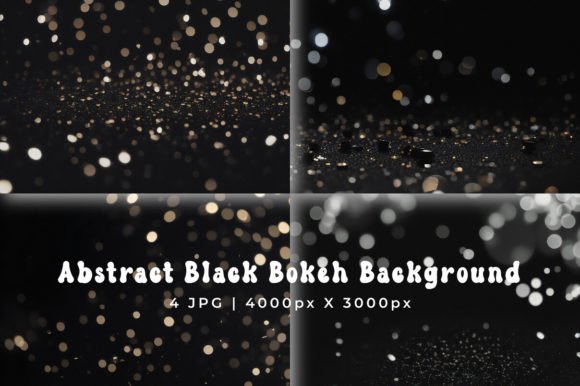
Elevate Your Visuals: Mastering Abstract Black Bokeh Backgrounds
There is a specific kind of visual depth that separates amateur design from professional work. It isn’t always about the boldest colors or the loudest graphics; often, it is about the subtle atmosphere that frames the content. This is where Abstract Black Bokeh Backgrounds enter the conversation. These aren't just dark images; they are sophisticated tools for visual storytelling. Mimicking the dreamy, out-of-focus light effects often seen in high-end photography, these backgrounds utilize varying shades of black to create a sense of mystery, luxury, and focus. The "bokeh" effect, characterized by soft, blurred circles of light, provides a dynamic texture that adds energy to a design without overwhelming the primary message.
The Psychology of Dark Textures in Branding
When you choose a design asset, you are making a decision about brand perception. Black is universally associated with elegance, authority, and sophistication. By incorporating Abstract Black Bokeh Backgrounds into your visual strategy, you immediately signal a premium quality to your audience. This is particularly effective in modern typography and logo design. Imagine a crisp, white sans-serif typeface or a delicate gold script font laid over a deep, textured black background. The contrast isn't just visual; it is psychological. It draws the eye immediately to the text, creating a strong visual hierarchy that guides the reader exactly where you want them to go.
For entrepreneurs and marketers, consistency is key to recognition. Using these backgrounds across various touchpoints—from website headers to social media graphics—creates a cohesive brand identity. Whether you are a photographer looking for a portfolio backdrop or a tech blogger wanting to highlight a product review, the versatility of these textures is undeniable. They provide a neutral yet engaging canvas that allows your specific content, whether it is a photograph, a logo, or a call-to-action button, to pop with clarity.
Practical Applications: From Screen to Print
The true value of a design asset lies in its adaptability. The Abstract Black Bokeh Backgrounds set is designed with both digital and physical mediums in mind. In the realm of web design, these high-resolution textures are invaluable. They load beautifully on high-density retina screens, ensuring that your website looks sharp and modern. For content creators and publishers, these backgrounds are perfect for creating "quote cards" or promotional images for platforms like Instagram or Pinterest. The dark backdrop ensures that text remains readable while the bokeh effect adds a layer of visual interest that stops the scroll.
However, the utility extends far beyond the digital screen. Because these files are print-ready at 4000 x 3000 pixels, they are robust enough for commercial printing applications. Think about the tactile experience of a customer receiving a branded invitation or a business card. The depth of the black bokeh texture translates exceptionally well to paper, adding a tactile feel of quality. This set is particularly useful for the booming print-on-demand market. Small business owners and crafters can utilize these files for:
- Sublimation Products: The high resolution ensures that the gradients remain smooth on t-shirts, hoodies, and tote bags without pixelation.
- Promotional Merchandise: Mugs, phone cases, and pop sockets benefit from the "wrapping" nature of abstract backgrounds, which hide seams and imperfections better than solid colors.
- Stationery Design: Cards, invitations, and printable decorations gain an instant air of formality and party-ready atmosphere.
- Stickers and Decals: The dark background makes die-cut stickers stand out, offering a premium look that white backgrounds cannot match.
Integrating Bokeh with Typography and Layout
When working with Abstract Black Bokeh Backgrounds, your approach to typography changes. Because the background is busy with light variations, you need to ensure your text remains the hero of the composition. This is where understanding font pairing becomes essential. A heavy, bold display font often works best for headlines, as the thick strokes cut through the visual noise of the bokeh lights. For body text, a clean sans-serif font with generous line spacing ensures readability against the darker backdrop.
There is a common misconception that dark backgrounds are difficult to work with. In reality, they offer a unique opportunity to play with negative space and lighting effects in your layout. If you are designing a logo, placing it over a black bokeh background can help you test how the mark performs in low-light environments or when used as a watermark on video content. It forces you to consider the luminosity of your brand colors. Bright, neon, or metallic color palettes tend to thrive here, creating a futuristic or high-energy vibe, while white and cream offer a classic, timeless editorial look.
Maximizing Your Asset Investment
For the creative professional, time is money. Having a reliable set of premium backgrounds on hand speeds up the workflow significantly. Instead of spending hours trying to create a complex lighting effect from scratch in Photoshop, you have a ready-made solution that is easy to edit. You can adjust the opacity, overlay different textures, or color-grade the black tones to match specific brand guidelines (such as shifting the black toward a cool blue or a warm charcoal) to fit the mood of a specific campaign.
When evaluating this set for your projects, consider the emotional tone you wish to set. If you are aiming for a cinematic, dramatic, or luxurious feel, Abstract Black Bokeh Backgrounds are likely the perfect fit. They are less suited for "friendly," "earthy," or "minimalist" brands that rely on white space and muted earth tones. However, for night-life events, tech products, jewelry, high-fashion, or elegant celebrations, they are an indispensable part of the design toolkit. By leveraging these high-resolution assets, you ensure that your work not only looks professional but also resonates emotionally with your audience, turning a simple graphic into an immersive experience.