Retro Color Backgrounds V1: Instant Nostalgia for Modern Design
More Than a Backdrop: Setting the Tone with Vintage Hues
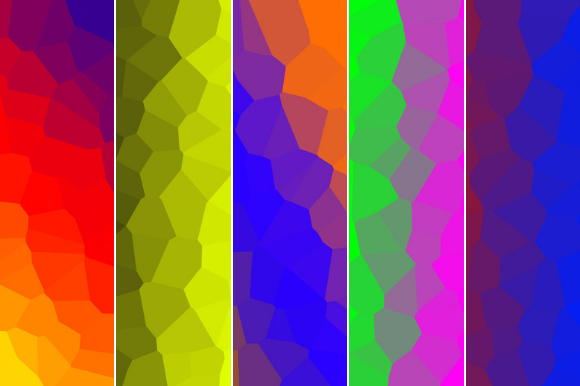
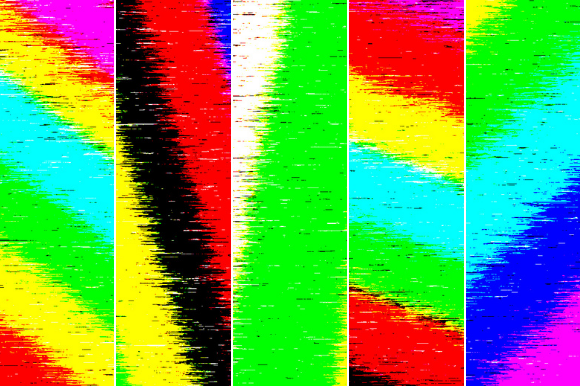
Every strong design starts with a foundation, and often that foundation is the background. While text and imagery grab immediate attention, the color and texture behind them silently shape the entire mood of a project. Retro Color Backgrounds V1 is a collection built for this exact purpose. It’s not a premium font or a set of icons; it’s a curated suite of five high-resolution JPEG files designed to inject immediate warmth, character, and a distinct vintage personality into your work. Think of these as ready-made canvases, each one holding a specific retro aesthetic—from the faded pastels of 1950s diners to the bold, psychedelic swirls of the 1970s.
The appeal here is direct and tangible. You’re not just getting a color swatch; you’re receiving texture, grain, and a lived-in quality that digital gradients often lack. These backgrounds have a handmade, organic feel. They can mimic the subtle wear of old paper, the soft glow of a sunset photograph, or the vibrant clash of pop-art. This makes them exceptionally versatile for projects where atmosphere is key. Instead of spending hours creating a vintage texture from scratch, you have an instant solution that feels authentic and visually rich.
Practical Applications: Where Vintage Vibes Shine
Understanding where Retro Color Backgrounds V1 fits into your workflow is about matching its personality with your project’s goals. These aren’t generic fills; they are design assets with a strong point of view. Let’s break down some real-world scenarios.
For brand identity and logo design, these backgrounds can serve as the perfect stage for a wordmark or emblem. Imagine a modern, clean sans serif font or an elegant script font placed over a subtly textured, muted retro background. The contrast creates immediate visual interest and helps a brand feel both contemporary and timeless. It’s a powerful way to tell a story of heritage or craftsmanship without a single word.
In editorial design and packaging design, texture is everything. These backgrounds can elevate a magazine cover, a book jacket, or a product label, giving it a tactile quality that draws the eye. Pair one with a strong display font for a headline, and you’ve instantly created a focal point with depth. For social media graphics, where standing out in a fast-scrolling feed is crucial, a distinctive retro background can make a quote, announcement, or promotional post stop the scroll. It provides a consistent, recognizable look for a series of posts, strengthening visual branding.
Choosing and Using Your Backgrounds Wisely
Getting the most out of Retro Color Backgrounds V1 involves a bit of strategic thinking. These are high-quality files—12x12 inches at 300 DPI in RGB color mode—which means they are print-ready and perfect for high-resolution digital work. Here’s how to approach them.
- Evaluate the Project Fit: First, consider your audience and message. Is a warm, nostalgic tone appropriate? These backgrounds excel for brands, blogs, or products that value authenticity, creativity, or a connection to the past. They might be less suitable for a corporate financial report seeking a sterile, ultra-modern aesthetic.
- Master the Font Pairing: The background sets the mood, but your typography delivers the message. A bold, geometric serif font can feel authoritative against a textured background, while a fluid handwritten font can enhance a personal, artistic vibe. Always test your chosen typeface for readability. Ensure there is enough contrast in color and value between your text and the background’s busiest areas.
- Leverage the Visual Hierarchy: Use the background’s inherent texture and color to guide the viewer’s eye. A busier, more vibrant background might work best behind a simple, monochromatic logo. A quieter, more uniform background can support more complex text layouts. The goal is harmony, not competition.
Building a Cohesive and Professional Aesthetic
Consistency is a cornerstone of professional modern typography and design. Using these backgrounds across a campaign or brand suite—on your website, in your PDFs, on your social media—creates a unified brand identity. The same vintage warmth can appear on a thank-you card, an Instagram story, and a website banner, creating a seamless experience for your audience.
Remember, these are creative font companions, not replacements for good design principles. They are tools to enhance, not to carry the entire weight of a design. Start by using one background across several mockups. See how it interacts with your chosen typeface, your imagery, and your brand colors. The best results often come from restraint—letting the retro background do its job without overwhelming it with other competing elements.
Ultimately, Retro Color Backgrounds V1 is about efficiency and inspiration. It provides a shortcut to a specific, sought-after aesthetic that resonates with a wide audience. For the designer, marketer, or small business owner, it’s a practical asset that solves a common creative challenge: how to quickly and effectively add depth, emotion, and a professional finish to a visual project. Use it to tell a richer story, to connect on an emotional level, and to give your work a distinct, memorable presence.