Capturing the Season: Modern Autumn Leaf Backgrounds
There is a specific shift that happens in design work once the air gets crisp. We move away from the bright, airy pastels of summer and look for something with more weight, texture, and mood. For many creatives, autumn presents a unique challenge: how to capture the richness of the season without relying on cliché "fall harvest" graphics that look like they belong on a grocery store flyer from 2005. You need assets that feel contemporary, sophisticated, and versatile enough to support a brand identity or a complex editorial layout.
This is exactly why a curated collection of Modern Autumn Leaf Backgrounds is such a valuable addition to your digital toolkit. We aren't talking about simple stock photos of trees here. This collection offers a distinct aesthetic that bridges the gap between natural organic textures and clean, modern design principles.
The Aesthetic: Beyond the Clip Art
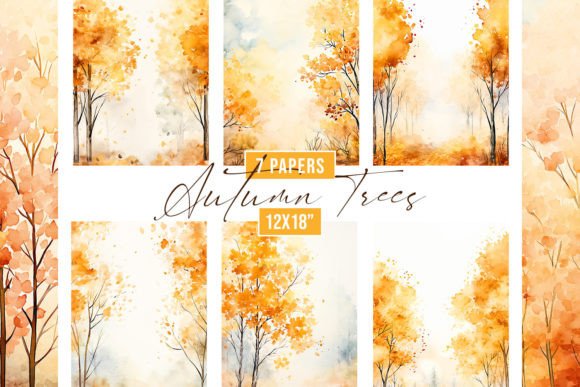
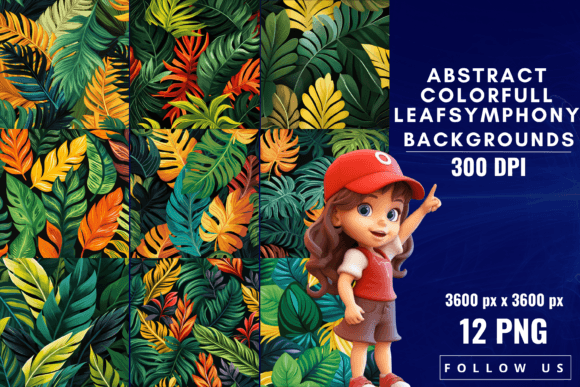
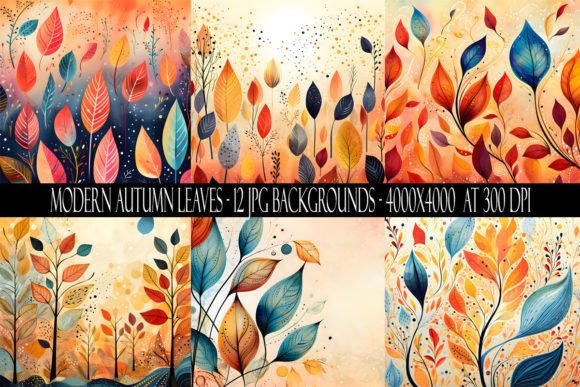
The defining characteristic of these backgrounds is their ability to balance realism with abstraction. When you look at a standard autumn graphic, it is often cluttered. These designs, however, utilize the natural beauty of foliage—gold, amber, deep red, and rich brown—but arrange them in a way that feels curated rather than chaotic. The visual personality is warm, inviting, and grounded. It evokes the feeling of a cozy afternoon but presents it through a lens of high-end design.
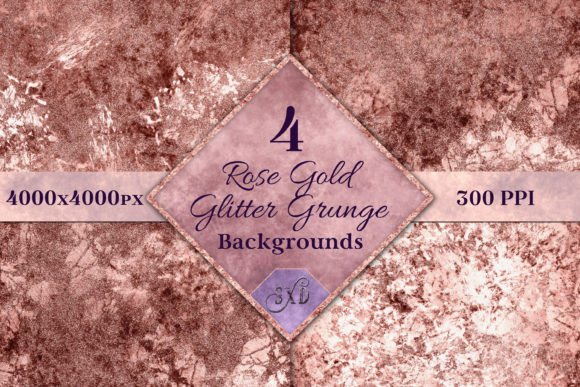
Because these are provided as 4000 x 4000 pixel files at 300 DPI, the detail is incredible. You can see the veins in the leaves, the texture of the paper, and the subtle gradients of color. This resolution makes them true "premium" design assets. You aren't going to see pixelation if you decide to crop in tight on a specific leaf cluster for a hero image on a website. This level of clarity is essential for maintaining professionalism, especially when you are printing materials or designing for high-resolution Retina displays.
Strategic Applications for Entrepreneurs and Creatives
Understanding the visual appeal is one thing; knowing how to deploy it effectively is another. These backgrounds are incredibly versatile, but their strength lies in their ability to set a scene without overwhelming the content placed on top of them. Here is how different professionals can leverage this collection:
For Brand Identity and Packaging Design
If you are a small business owner, particularly in the lifestyle, wellness, food, or artisan sectors, autumn is a prime selling season. However, your branding needs to feel cohesive. Using these backgrounds can instantly elevate your packaging design. Imagine a textured, leaf-patterned background used as the wrap for a soap box or a candle label. It adds a tactile quality to the visual experience. It tells the customer that the product inside is natural, crafted, and seasonal. It helps build a brand identity that feels established and intentional.
Digital Marketing and Social Media Graphics
For marketers and content creators, the struggle to maintain a consistent aesthetic on Instagram, Pinterest, or Facebook is real. These JPG files serve as perfect bases for social media graphics. Because the designs are "modern," they work well with contemporary typography. You can overlay a clean sans serif font for a minimalist look, or a sophisticated serif font for something more editorial. The non-seamless format is actually a benefit here; it means the image has a definitive composition. You aren't tiling a repeating pattern; you are placing a distinct piece of art that draws the eye exactly where you want it.
Editorial and Web Design
Bloggers and publishers know that reader retention depends heavily on visual engagement. If you are writing about fall recipes, home decor, or seasonal fashion, a generic white background can feel sterile. These backgrounds act as excellent "hero" images or section dividers. In web design, you might use them as a full-width banner behind a newsletter sign-up form. The rich colors create a high-contrast environment that makes white or cream text pop, improving readability and visual hierarchy when used correctly.
The Technical Advantage: Why Specs Matter
It is easy to overlook the technical specifications of a design asset until you try to print it. This collection removes the guesswork. The inclusion of commercial and print-on-demand licensing is a massive benefit for entrepreneurs. It means you can legally sell products featuring these designs—think posters, t-shirts, phone cases, or mugs—without worrying about copyright infringement.
The "non-seamless" format is a specific stylistic choice that offers more control. While seamless tiles are great for infinite backgrounds on websites, a non-seamless, high-resolution square format (4000x4000) is superior for centerpieces. It allows for better compositional balance. You have a defined start and stop point for the texture, which helps in creating physical products like card fronts or framed prints.
Practical Tips for Implementation
To get the most out of these assets, you need to treat them as partners to your typography and layout, not just wallpaper. Here are a few practical guidelines for integrating them into your workflow:
- Font Pairing is Key: Because the backgrounds are organic and textured, your typography should generally be clean to avoid visual clutter. A modern geometric sans serif font often pairs beautifully with the natural curves of leaves. If you want a more luxurious or editorial feel, a classic serif font with high contrast works well. Avoid overly complex script fonts or handwritten fonts unless they are very legible, as the background texture can compete with the loops and tails of the letters.
- Use Overlays for Readability: Never place small text directly over a busy section of a leaf cluster. If you must cover a large portion of the image, use a semi-transparent color overlay (a "scrub") or a soft gradient to mute the background slightly. This ensures your message remains the focal point.
- Color Sampling: Use the eyedropper tool in your design software to pull colors directly from the leaves. Use these earthy tones for your buttons, headlines, or accent borders. This creates a cohesive brand identity where every element feels connected to the background.
- Testing and Mockups: Before committing to a final design, test the background at the size it will be viewed. If it's for a website, view it on a mobile phone to ensure the detail isn't too overwhelming on a small screen. If it's for print, print a small test strip to check how the ink interacts with the digital texture.
Streamlining Your Workflow
One of the most overlooked aspects of creative work is efficiency. Having a library of high-quality, seasonally appropriate backgrounds saves you hours of searching for stock photography or trying to photograph your own leaves (which rarely turns out as well as you hope). The fact that these are delivered in a ZIP format makes them easy to archive and organize.
For the crafter making invitations, the entrepreneur designing a seasonal catalog, or the marketer building a landing page, these Modern Autumn Leaf Backgrounds provide a professional foundation. They allow you to skip the "blank canvas" paralysis and move straight to the creative execution. By utilizing assets that are already vetted for resolution and licensing, you protect your business and elevate your creative output simultaneously.
Ultimately, good design is about evoking the right emotion at the right time. These backgrounds capture the transient beauty of autumn in a format that is durable, versatile, and ready for professional application. They are a reminder that nature provides the best color palettes; we just need the right tools to harness them.